
Patterns in the Wild: A Composition Lesson From Nature
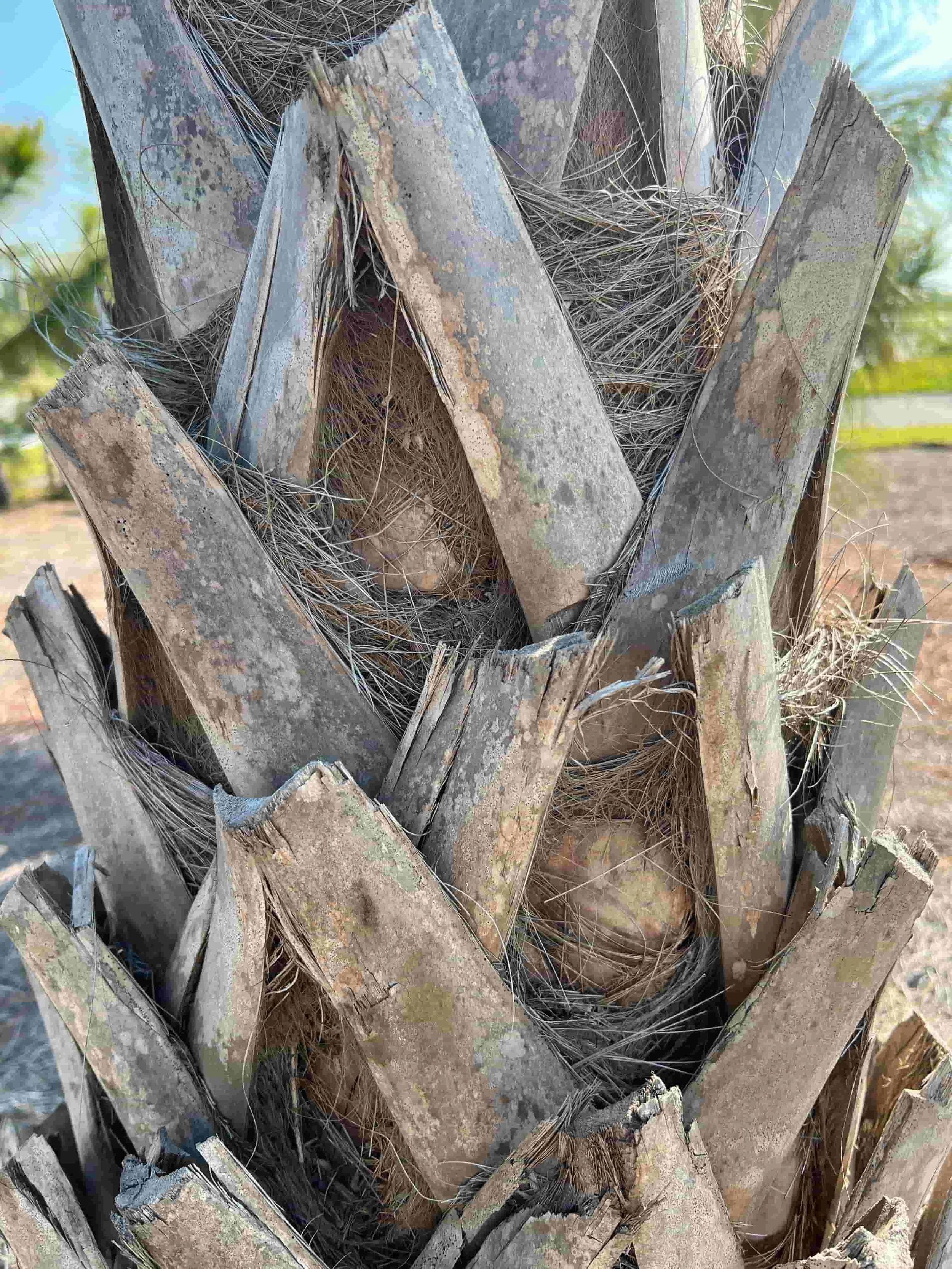
Pattern in the bark on the trunk of a palm tree.
Pattern is one of the principles of design, and it’s simple at its core: repetition. When an element repeats—shape, line, color, or value—we start to feel rhythm. Pattern is important in composition because it helps hold a piece together. It creates unity, and it can also create movement, like a visual beat. On a recent nature walk, I found myself collecting patterns everywhere I looked (and took a few photos along the way).
Before we even talk about “making art,” it’s worth noticing that nature is already designing.
There are patterns in the obvious places—leaf shapes repeating along a stem, ripples on water, veins branching through a petal—but also in the quieter places: shadows making stripes across the ground, clusters of seed pods, the way tree bark breaks into plates, the spacing of grasses, the rhythm of stones along a path. Some patterns are orderly. Others are irregular but still repeating. And that’s part of what makes them so awesome for artists: pattern doesn’t have to be perfect to be powerful.
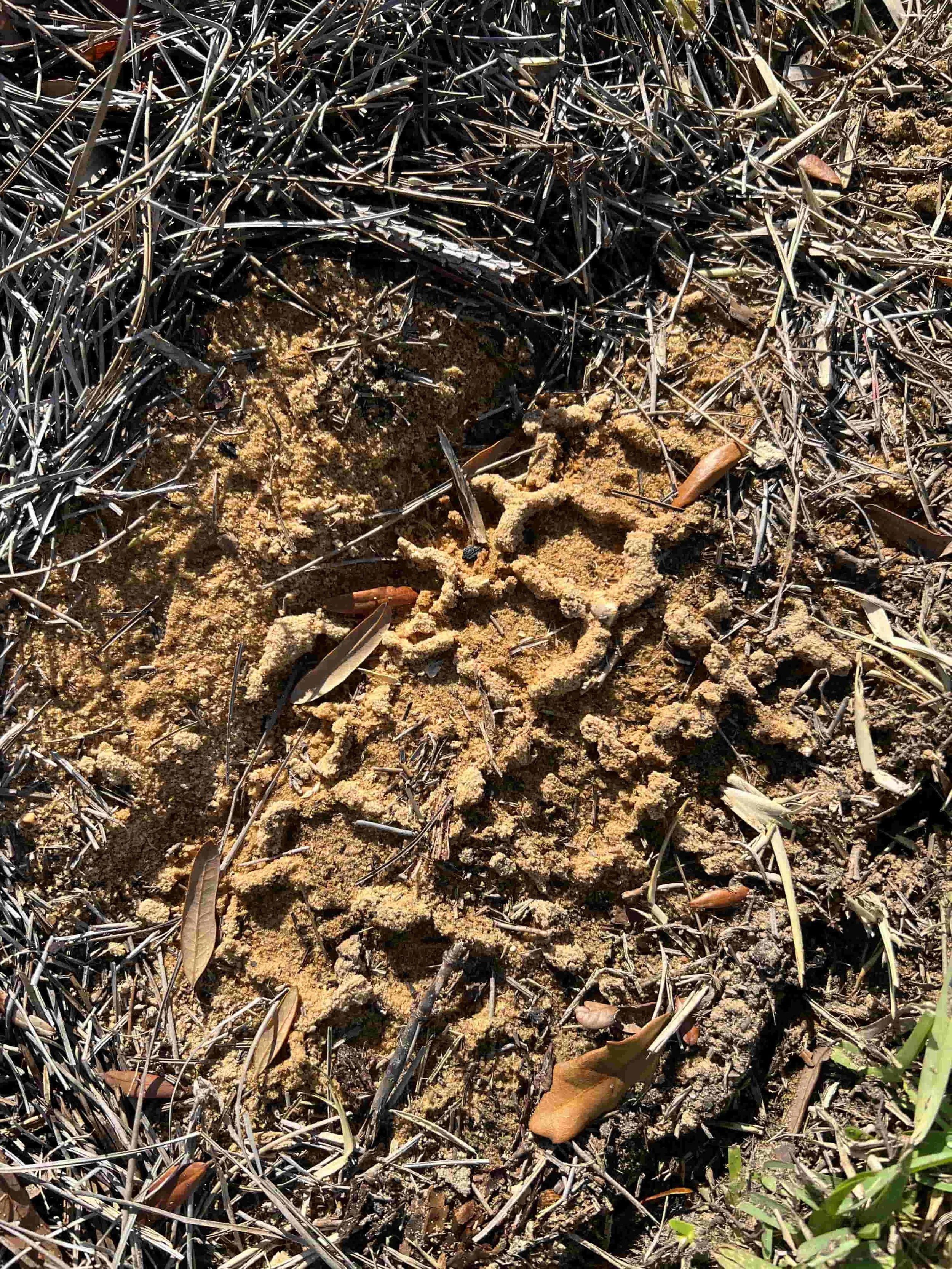
Pattern make from tire tracks in the dirt.
In a composition, pattern can do a few important jobs at once:
Pattern creates unity. When something repeats across different parts of the piece, it connects areas that might otherwise feel separate. It’s a way of saying, “this belongs together.”
Pattern creates movement. Repetition naturally carries your eye from one instance to the next. It gives the viewer a path to follow, a rhythm to settle into.
Pattern can also create emphasis (by breaking it). Once a pattern is established, changing it in one spot—shifting the scale, interrupting the rhythm, changing the value—pulls attention immediately. That “break” becomes a focal point, place for the eye to rest and consider.
When I’m working on a composition (especially an abstract one), pattern is one of my favorite tools because it can be both structural and subtle. It can be a repeated shape that you barely notice at first. It can be a series of marks that create a buzz of energy under the surface. It can be repeating value steps (going from light to dark or vice versa) that help the whole painting feel cohesive. Pattern doesn’t have to be loud. It just has to be intentional.
What I love about using nature as a reference is that it keeps the idea of pattern from becoming stiff or overly planned. Nature is full of repetition, but it’s rarely rigid. There’s variation, interruption, and surprise—exactly the things that keep pattern from feeling flat. When I look at the photos from my walk, I’m not thinking, “How can I copy this?” I’m thinking, “What’s repeating here?” and “How does that repetition create a feeling?”
Because ultimately, pattern isn’t just decoration. It’s one of the ways we build visual coherence—and one of the ways we create rhythm and life across the surface of a piece.
In my next post, I’m going to do a simple pattern-walk exercise and share what I find (and how I translate it into my studio work). And you can follow along.