
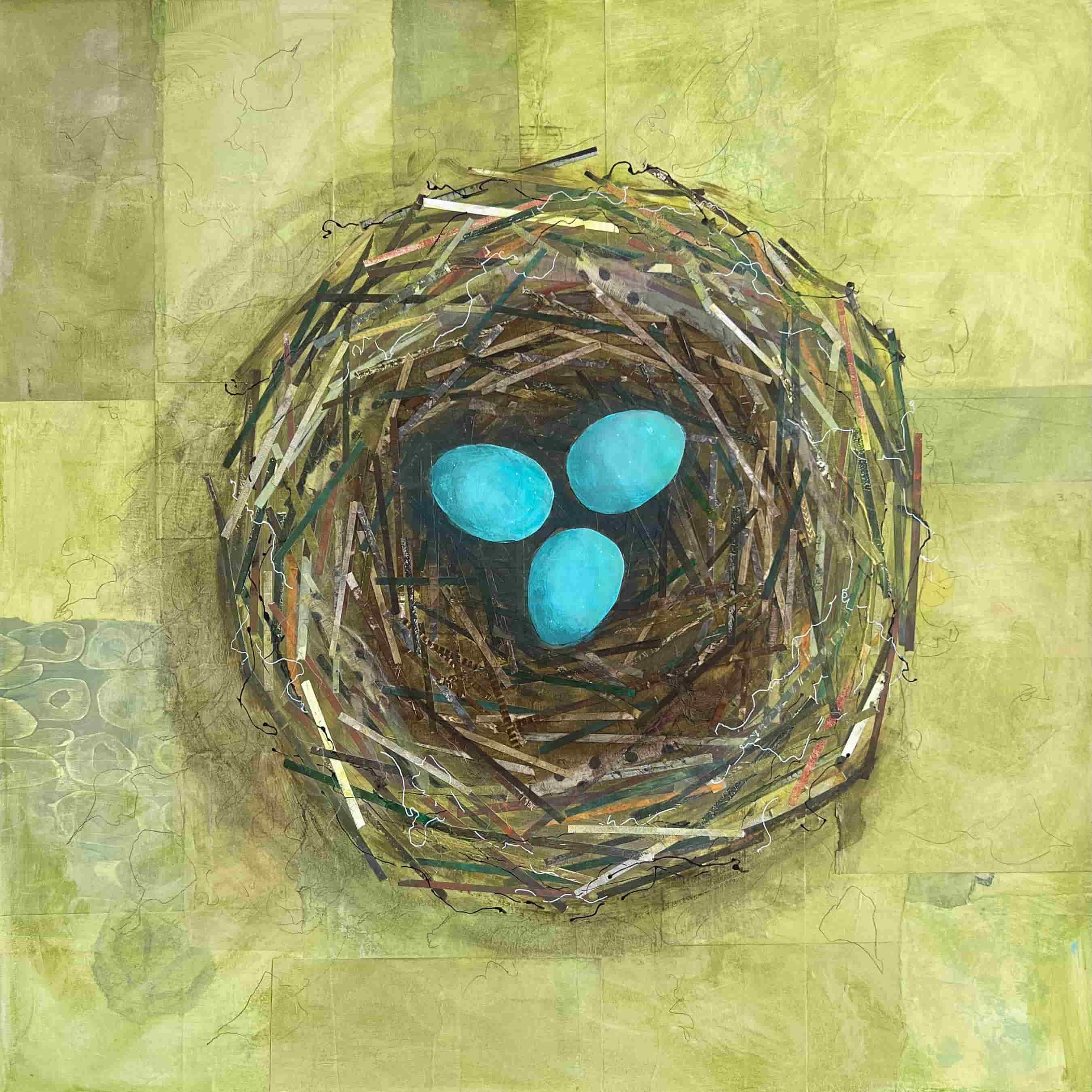
The Problem with “Important Art”
“Important art” is one of those art-world phrases that sounds neutral, but isn’t. It often means endorsed—by the people who get to define importance—and that can quietly shape what artists think they’re allowed to make. Because the definition of “important” shifts with trends and institutional priorities, it becomes a moving target. I’d rather chase honesty and make work that feels true, with or without the “important” stamp.
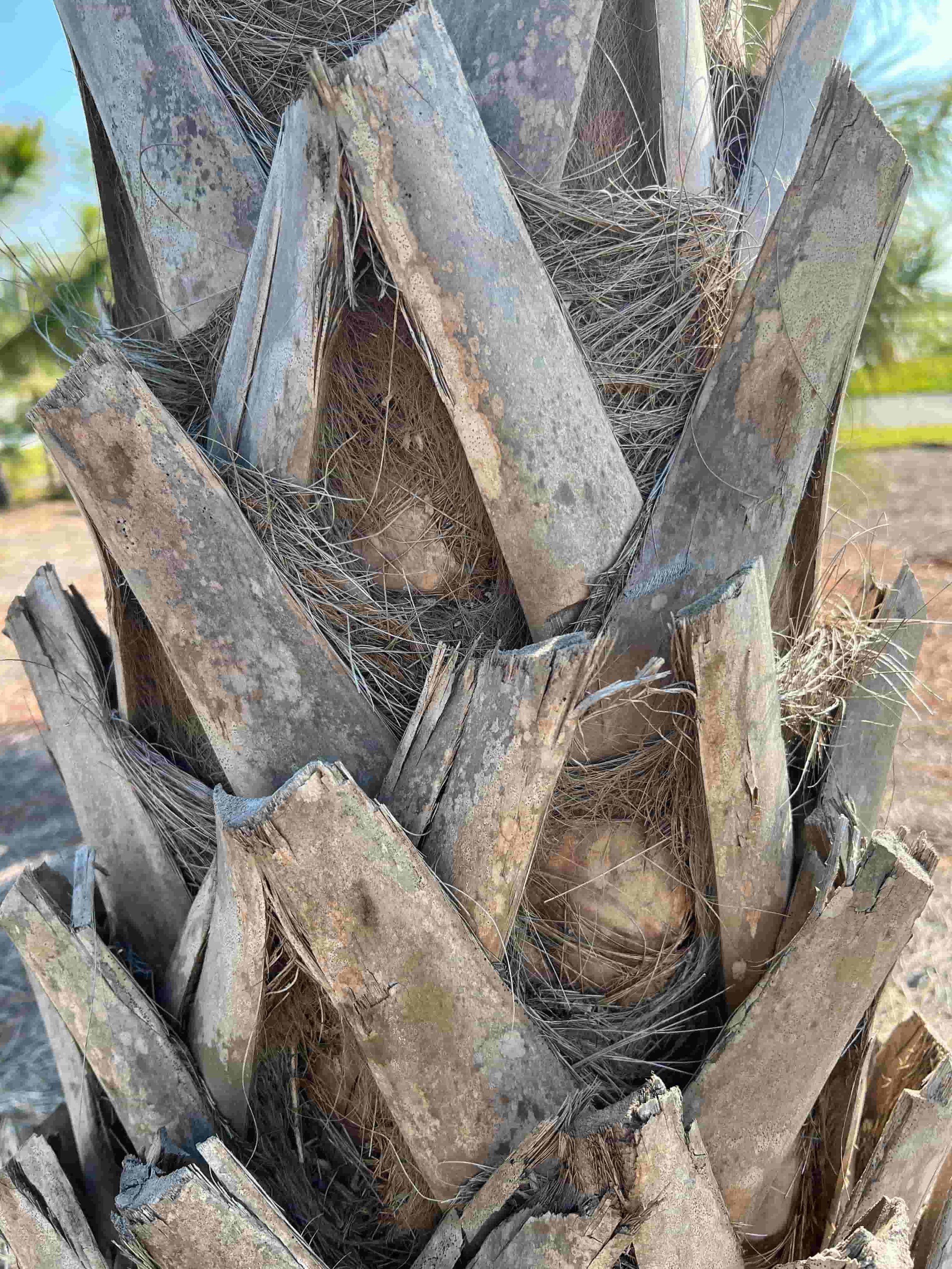
Patterns in the Wild: A Composition Lesson From Nature
Pattern is one of the simplest, most powerful tools in composition: repetition. In this post, I explore how repeating line, shape, color, or value creates rhythm, unity, and movement in a piece of art. On a recent nature walk, I noticed patterns everywhere—from bark and shadows to stones and grasses—and reflected on how nature’s imperfect repetition (with variation and surprise) can inspire stronger, more alive compositions.

Beyond the Canvas: Vanessa Bell’s Legacy in Art, Design, and Feminism
Vanessa Bell quietly broke barriers through art and design, blending domestic life with bold creativity. A key figure in the Bloomsbury Group, she redefined British modernism, championed women’s autonomy, and left a legacy that still inspires interior design and artistic expression today.

Vanessa Bell: Artist, Rebel, and Bloomsbury Icon
Explore the life of artist Vanessa Bell—painter, feminist, and Bloomsbury Group pioneer—who defied Victorian norms, embraced bold creativity, and left a lasting mark on modern art and culture.

5 Reasons to Buy Original Art
Whether it’s worth buying original art is subjective and depends on your preferences, budget, and the value you place on art. Here are five reasons why you might consider doing so.