
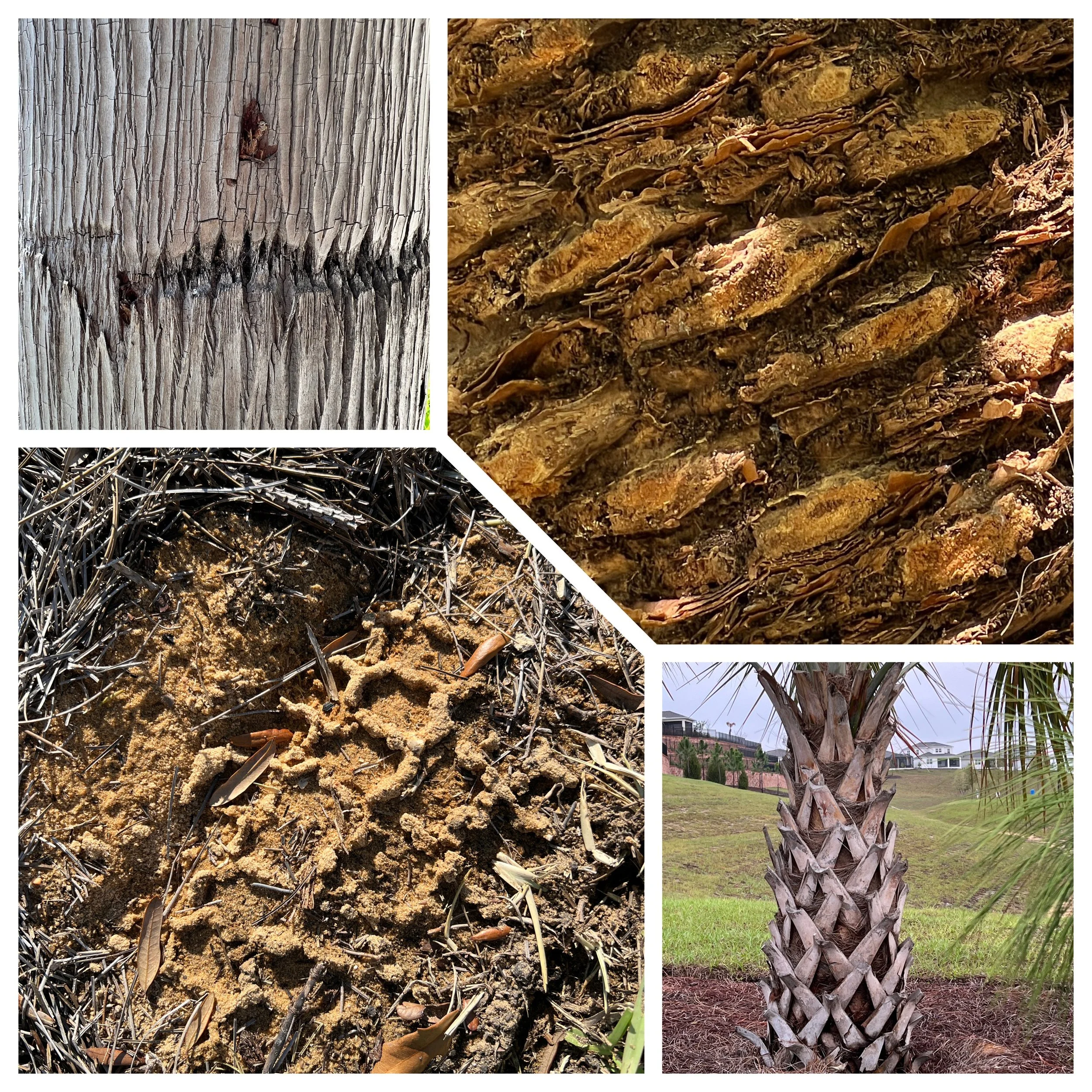
Today I’m doing a simple exercise I love when I want fresh compositional ideas: a pattern walk. No drawing skills needed—just curiosity. I’ll show you what I noticed, what I photographed, and how I translate those patterns into marks, shapes, and rhythms in the studio.
By the end, you’ll have a simple little pattern study you can turn into a painting, collage, or sketchbook page.
We’re not looking for “pretty” scenes or perfect reference photos. We’re looking for repetition—because repetition is one of the easiest ways to build unity and movement in a composition.
The pattern walk exercise (10 minutes)
Set a timer for 10 minutes.
Walk anywhere (a trail, your neighborhood, a garden, even a parking lot edge).
Find 2 patterns and capture them with your phone’s camera.
1 pattern made mostly of line
1 pattern made mostly of shape
Back in the studio, pick one pattern to start and translate it:
simplify it into 1–3 marks or shapes
repeat it across a small 3x3 inch square
try the same pattern once crowded, once spaced out—or make other changes as you wish.
My pattern walk examples
Example 1: Line pattern
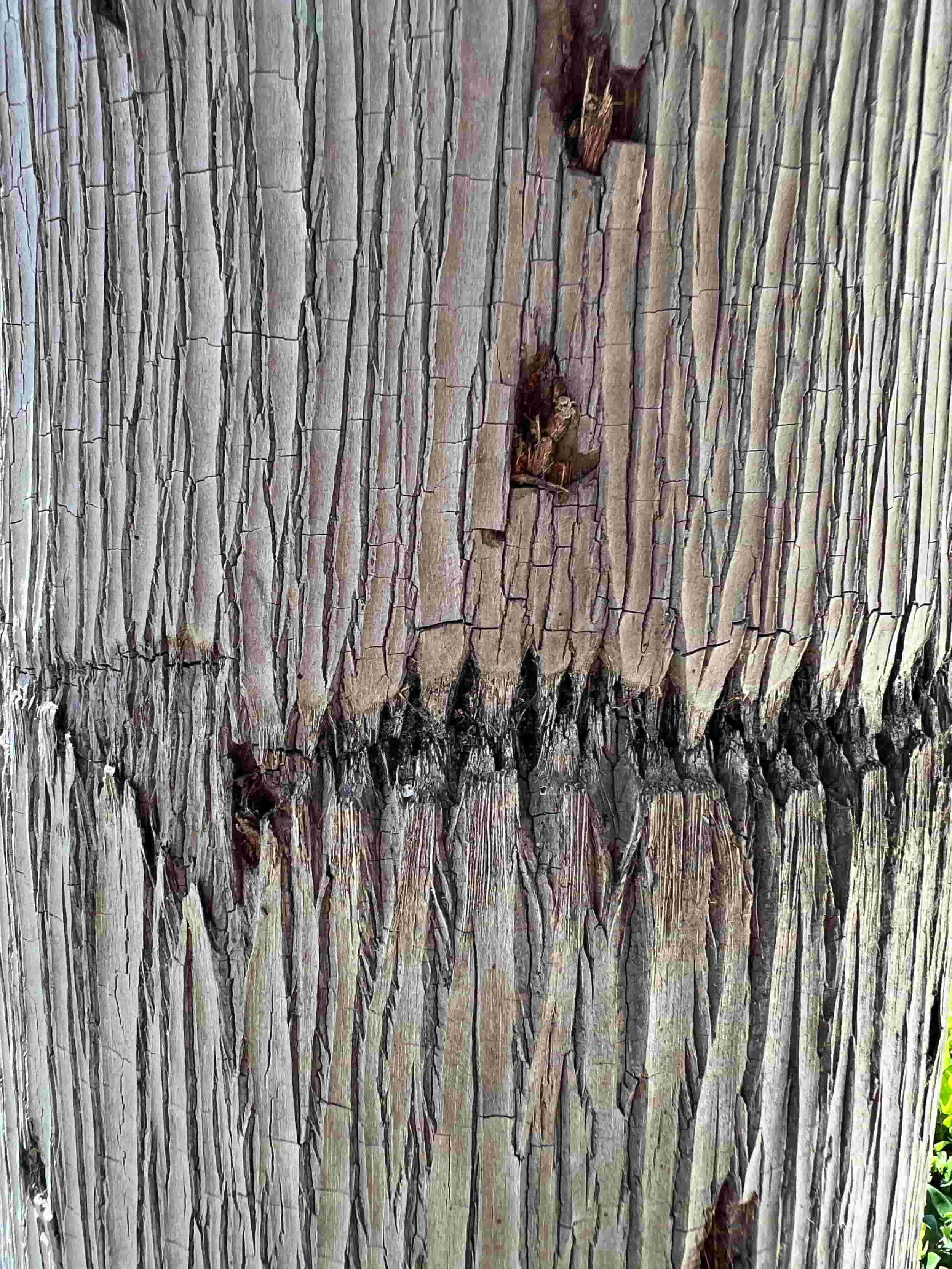
This is a close-up of the trunk of some kind of palm tree. What I'm noticing are the vertical lines shaped by the bark. There is a syncopated rhythm—uneven, but musical—to these lines in that they're not evenly spaced. I’m also drawn to the dark areas that form where the bark separates horizontally.
In the Studio: Line pattern
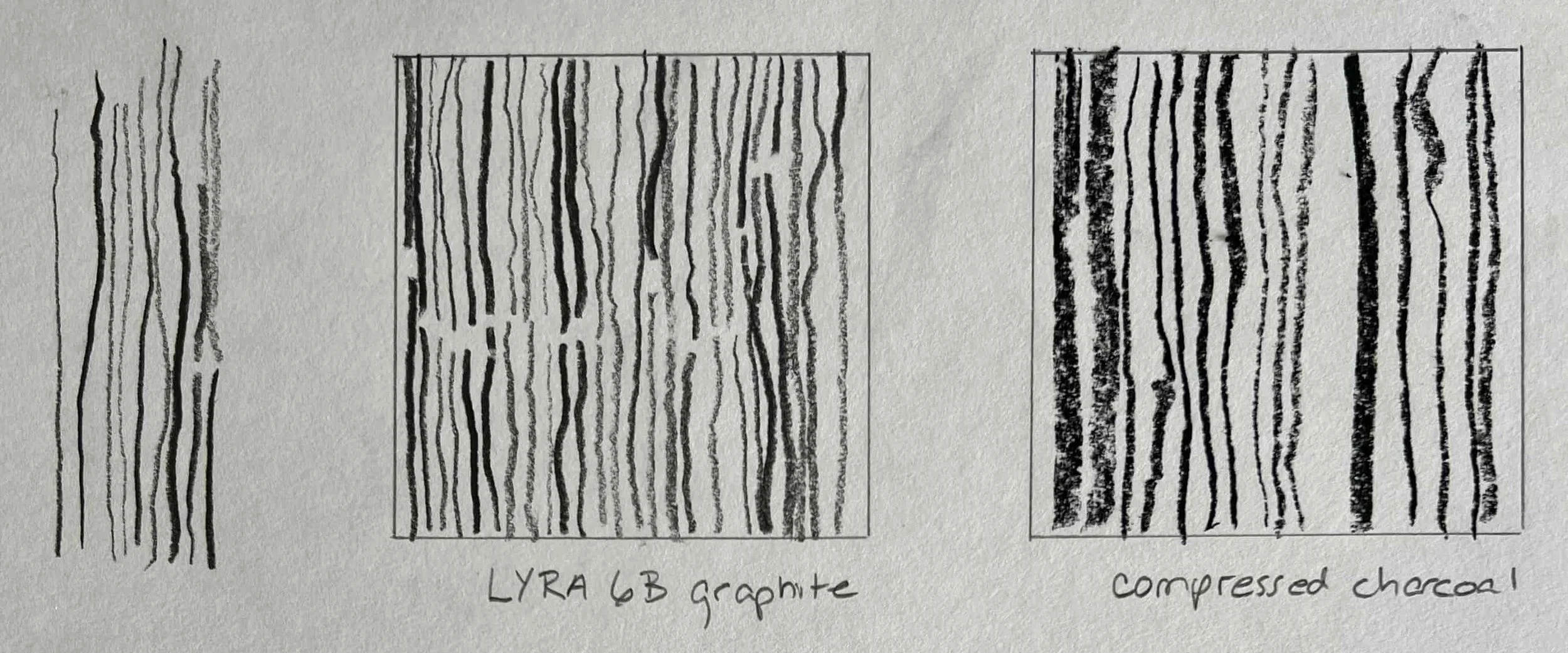
Tool - Lyra 6B graphite pencil for the first square and compressed charcoal for the second.
What I kept from the photo - the vertical lines and the variety of widths between the lines
What I changed - in the first square, I put in breaks in the lines to mimic the horizontal breaks that I saw in the palm tree, but in the second square, I left them out completely.
What I noticed - when holding the compressed charcoal on its side, I was able to get some mottled lines that you can see on the far left, which I really like.
Example 2: Shape pattern
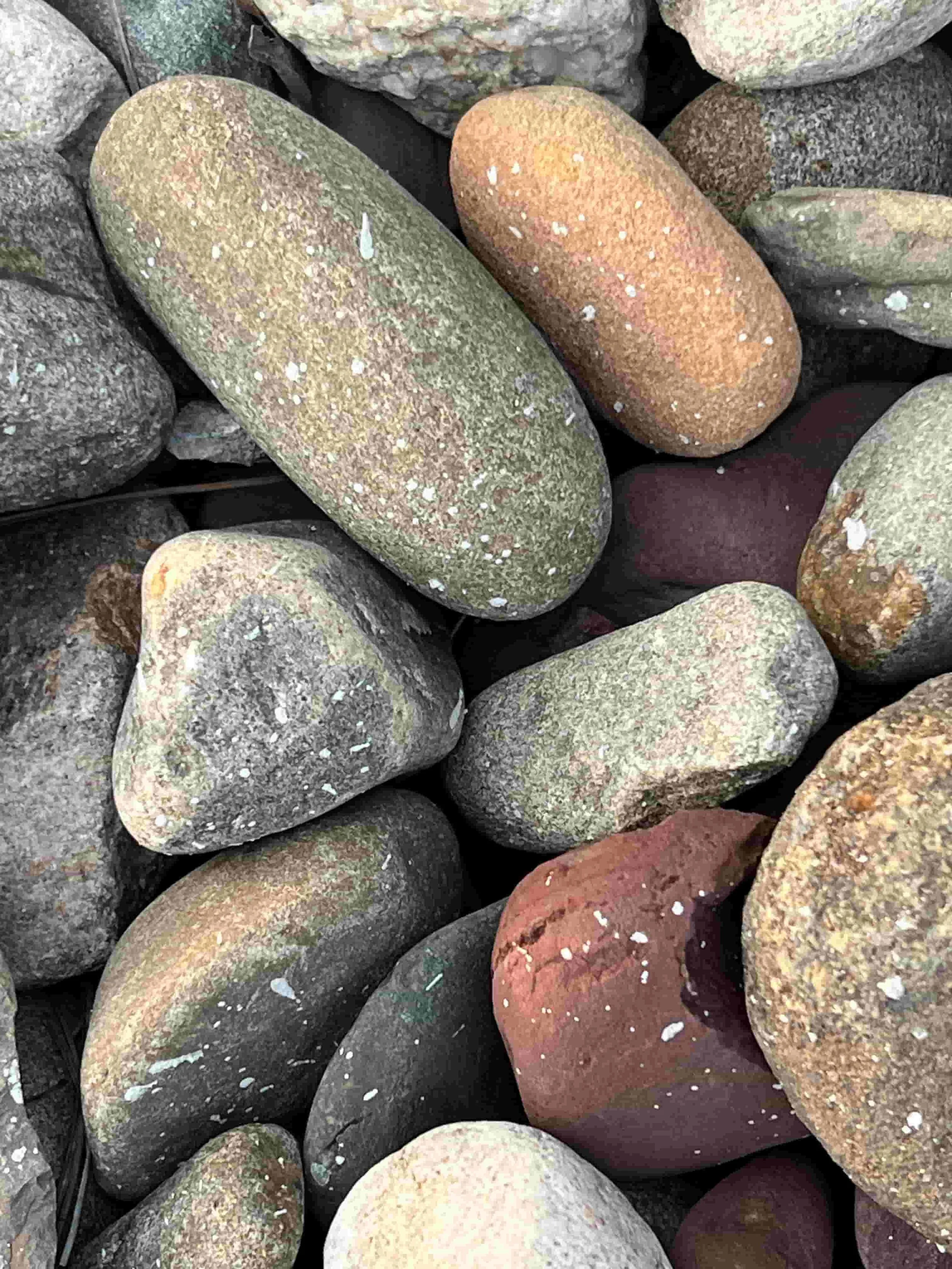
I really love these oval and roundish square shapes. And because these rocks are clumped together, they repeat. I know this exercise is about pattern, but I also really love the color in these rocks.
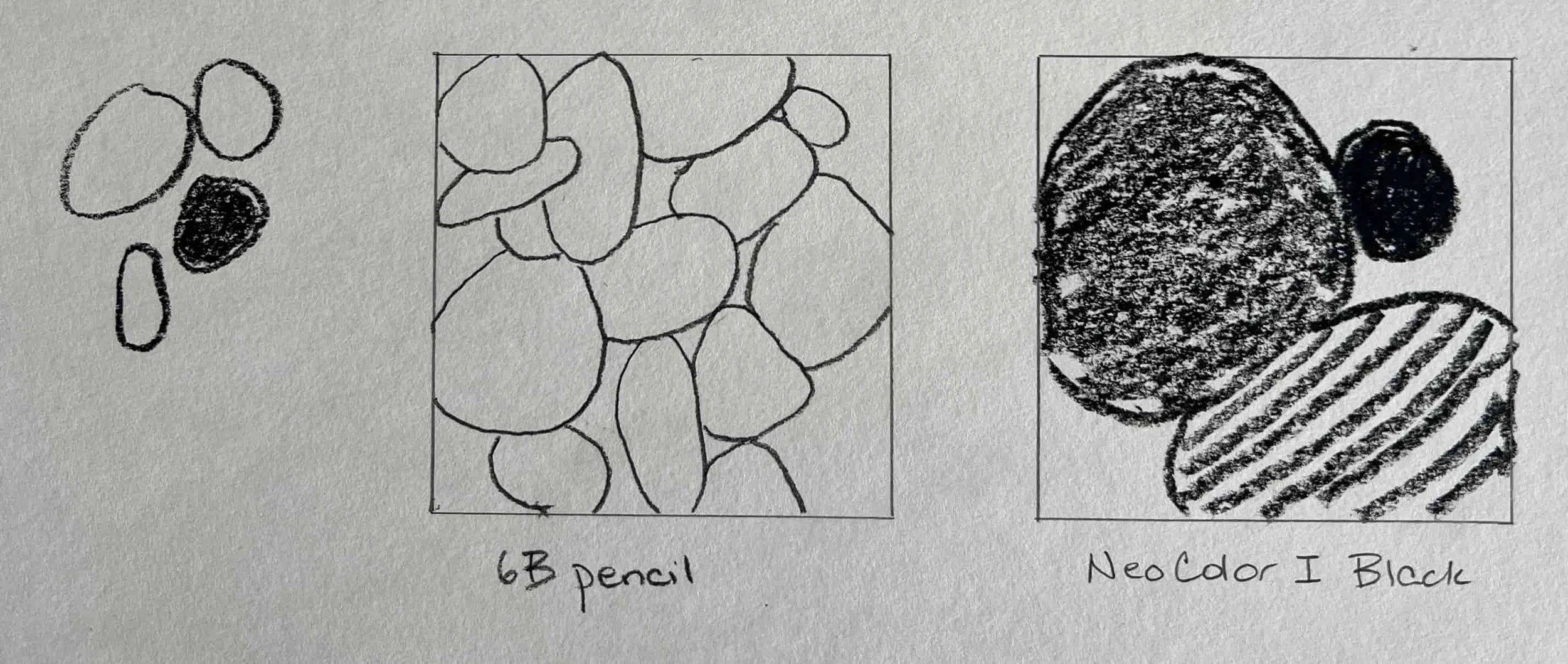
In the Studio: Shape pattern
Tool - 6B pencil for the first square and a Neo Color I black crayon for the second.
What I kept from the photo - the variety of shapes—oval, and roundish square
What I changed - in the first square, I only used a contour line to create the shape. In the second square, I colored the shapes in and made them bigger
What I noticed - the second square with the larger shapes became much more abstract looking than the first one
A Helpful Reminder
Nature’s patterns aren’t usually perfect—and that’s what makes them useful. There’s repetition, but there’s also variation and interruption. When you bring that into your work, pattern stops being decorative and starts becoming structural. It creates cohesion, it creates rhythm, and it gives the viewer’s eye something to follow. This is one of the ways I build the underlying rhythm that eventually shows up in my paintings.
Next time you’re out walking, I hope you’ll notice a few patterns you can’t unsee.